It's one of the most common questions in the treatment room: "If I keep waxing, will the hair eventually stop coming back?" It's a fair thing to wonder, especially when you're committing to a regular routine and hoping it pays off over time.
Add your favourite items to your cart.





The honest answer is somewhere in the middle. Waxing won't remove your hair permanently the way some treatments claim to, but it does change how your hair grows back, and with regular sessions many people notice it becoming finer and sparser over the months. To understand why, it helps to look at what actually happens to your hair follicle every time you wax. So let's clear up the question once and for all: does waxing reduce hair growth, and what's really going on beneath the surface?
Yes, regular waxing can reduce hair growth over time, but it's worth being clear about what that means.
It doesn't switch your follicles off forever. What it does is gradually weaken the hair and the follicle through repeated removal, so over months and years the regrowth often becomes softer, thinner and less dense. Some people find patches grow back much more slowly, or barely at all. Others see a gentler change. It varies from person to person, but the trend with consistent waxing is usually the same: less hair, finer hair, and longer gaps between feeling like you need a top-up.
This is where waxing really sets itself apart from shaving, and it all comes down to the root.
When you shave, you simply cut the hair off at the surface of the skin. The follicle is left completely intact, so the hair grows straight back, often within a day or two, with that blunt, stubbly feel.
Waxing works differently. It removes the entire hair from the root, pulling it out of the follicle altogether. That's why waxed skin stays smooth for weeks rather than days, and it's also the key to the long-term effect. Each time a hair is pulled from the follicle, the follicle is mildly disrupted. Repeat that over many sessions and, for a lot of people, the follicle gradually produces a weaker, finer hair, or sometimes stops producing one at all.
So while a single wax doesn't change much, consistent waxing nudges the follicle in the right direction over time. That's the real reason regular clients so often say their regrowth feels softer and looks lighter than it used to.
To really understand the effect, it helps to know that hair doesn't all grow at the same time. Every follicle moves through a cycle with three main stages:
Growing (anagen): the active phase, when the hair is firmly rooted and growing.
Transition (catagen): a short phase where growth slows and the hair detaches from its blood supply.
Resting (telogen): the follicle rests before shedding the old hair and starting again.
Waxing is most effective on hair in the growing phase, because that's when it's removed cleanly from the root. The catch is that your follicles aren't all in the same phase at once, which is exactly why a little regrowth appears at different times after a wax.
This is also why a regular routine works so well. By waxing on a consistent schedule, you keep catching more hairs in that active phase, session after session, which is what builds up the finer, sparser result over time.
The change you're hoping for doesn't come from one appointment. It comes from consistency.
Each time you wax instead of shave, you're removing hair from the root rather than topping up the surface, and you're keeping your follicles on a rhythm. Over weeks and months, that repeated removal is what gradually weakens the regrowth. Skip back to shaving in between, and you interrupt the cycle, because shaving leaves the root untouched and lets the hair return at full strength.
That's the single most useful thing to understand if you want waxing to reduce your hair growth: stay consistent, and resist the urge to shave between appointments.
This is where it pays to set realistic expectations. Waxing can noticeably reduce and refine hair growth, but it is not permanent hair removal. For most people, hair will still grow back, just finer and slower over time.
If your goal is to remove hair permanently, that's the territory of treatments like laser and electrolysis, which target the follicle directly. Waxing is a different promise: weeks of smooth skin, a gradual softening of regrowth, and a low-maintenance routine that improves the longer you stick with it. For a huge number of people, that's exactly the balance they want.
If you want to see that finer, sparser regrowth, a few simple habits make all the difference:
Stay on a regular schedule. Booking every four to six weeks keeps your follicles in a rhythm and catches more hair in the growing phase.
Don't shave between appointments. It's the most common thing that undoes the long-term benefit, since it leaves the root in place.
Let hair grow to a workable length before waxing. Hair that's long enough to grip removes far more cleanly from the root.
Look after your skin between sessions. Gentle exfoliation and light moisturising prevent ingrown hairs and keep regrowth coming through cleanly.
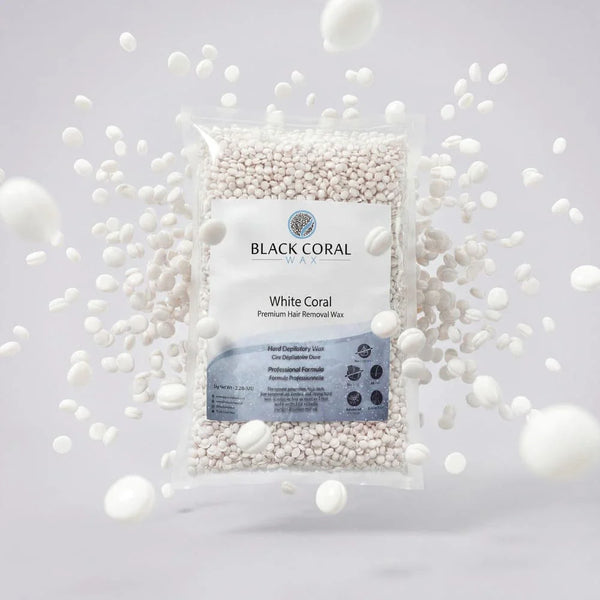
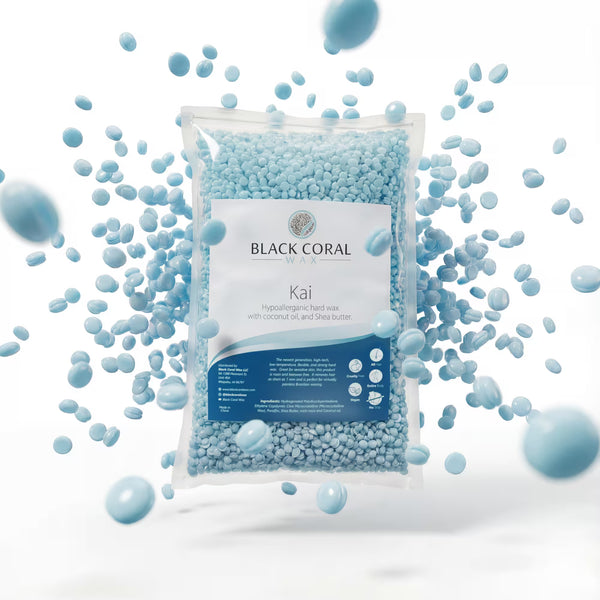
Use a quality wax. A professional hot wax made for the area, like the waxes in the Black Coral Wax range, grips the hair firmly and removes it cleanly from the root, which is exactly what you want for the best long-term effect.
In the first few months, the most obvious benefit is simply weeks of smooth skin instead of daily shaving. As you keep going, many people start to notice the regrowth feeling softer and looking lighter, with patches that seem to take longer to return. Over the longer term, plenty of regular clients find they have noticeably less hair to deal with than when they started.
It's a gradual change rather than an overnight one, and it rewards patience. The clients who see the biggest difference are almost always the ones who stay consistent.
1. Will my hair grow back thicker and darker after waxing? No, that's a common myth associated with shaving. Consistent waxing does the opposite, causing regrowth to become finer, softer, and often less noticeable over time because it damages the hair follicle at the root.
2. How long should I wait between waxes for the best results? You should book your appointments every 3 to 6 weeks. This strategic schedule helps target hair in its active growth phase, which is the most effective way to weaken the root and achieve sparser regrowth.
3. Can waxing ever stop my hair from growing back permanently? Waxing is a form of hair reduction, not permanent removal like electrolysis. However, with long-term, consistent treatment, some follicles can become so damaged that they stop producing hair, leading to a significant and lasting reduction in overall hair density.
4. Why is my hair growing back so quickly after my first wax? It's normal to see some regrowth soon after your first wax. These are simply shorter hairs that were already below the skin's surface and in a different growth stage. With regular sessions, growth cycles become more synchronised, leading to a longer hair-free period.

So, does waxing reduce hair growth? Over time, and with a consistent routine, yes, it really can. It won't remove hair forever, but by pulling it from the root and keeping your follicles on a rhythm, regular waxing leaves regrowth finer, softer and slower, the longer you stick with it.
At Black Coral Wax, we believe waxing should be smooth, gentle and genuinely worth it, with results that get better the longer you keep going. Explore our professional waxes and soothing pre and post-care range to make every session count.
Back to blog. Join our newsletter to become part of the waxing community and receive the latest news and expert knowledge from the world of hair removal.