

If you’ve ever wondered why your waxing results sometimes look flawless - and other times less than perfect - the answer might not lie in your technique or the wax you’re using. It could be your skin type.
The balance of oil and moisture in your skin plays a major role in how well wax adheres, how much discomfort you feel, and how long your results last. Understanding this connection helps you not only achieve smoother skin but also create a waxing experience that feels more like self-care than maintenance.
Let’s dive deeper into how dry skin and oily skin react differently during waxing - and what you can do to make every session your best one yet.
The foundation of perfect waxing results - understanding your skin
Every person’s skin behaves differently, but all skin types share one universal truth: balance is key. Waxing removes hair from the root, but it also temporarily disrupts the skin’s natural barrier. When that barrier is too dry, the skin becomes fragile; when it’s too oily, the wax can’t adhere properly.
The trick isn’t to change your skin - it’s to work with it. By learning what your skin needs before and after waxing, you can dramatically improve your results, reduce redness, and enjoy a silky, healthy glow that lasts for weeks.
Dry skin and waxing - when smooth turns sensitive
Dry skin may look dull or feel tight, but beneath the surface it’s often struggling to hold onto moisture. This lack of hydration causes flakiness and creates a thin layer of dead cells that can block the wax from gripping hair effectively.
During waxing, that buildup acts like a shield between the wax and your skin. The result? Uneven adhesion, missed hairs, or the need for extra passes - which increases irritation.
But the good news is that dry skin can be easily prepared for a perfect wax.
How to prepare dry skin before waxing?
-
Exfoliate gently 24 hours before your session to remove dead skin and open up follicles.
-
Avoid alcohol-based products or harsh cleansers that strip natural oils.
Use Black Coral Wax Cleanser, which gently balances the skin’s surface and preps it for smooth wax adhesion. -
After waxing, seal in hydration with Black Coral Wax After-Wax Lotion - its light botanical formula soothes the skin while restoring its natural moisture barrier.
✨ Pro tip:
Dry skin absorbs wax faster, which can make it more sensitive to heat. Always test the temperature before application, especially if waxing delicate areas.
The challenges of oily skin - when smooth meets slippery
If your skin tends to look shiny a few hours after cleansing, you probably fall into the oily skin category.
Oily skin produces more sebum - a natural moisturizer that, while beneficial in moderation, can make waxing a bit tricky. Sebum forms a thin, slick layer that prevents wax from adhering properly to the hair. This can lead to inconsistent pulls or patches of missed hairs.
Even worse, when pores are clogged with oil and dead cells, waxing can push bacteria deeper into the skin, causing post-wax breakouts or tiny bumps.
How to handle oily skin before waxing?
-
Start with a deep cleanse using Black Coral Wax Cleanser - it removes excess oil, makeup, and impurities without drying out the skin.
-
Avoid using heavy creams or occlusive moisturizers before your session - they can act as an extra barrier between wax and hair.
-
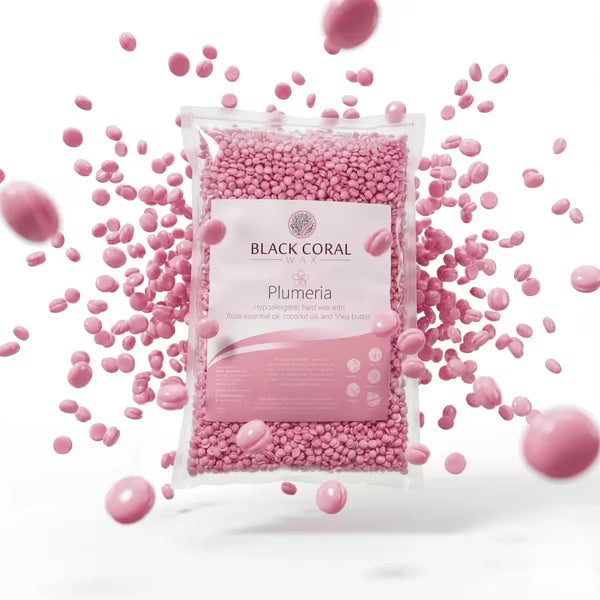
Opt for Black Coral Wax Plumeria Hot Wax (also known as Hard Wax), which adheres perfectly even in slightly oily areas, providing clean removal and a soft finish.
-
After waxing, calm and refresh your skin with ili oil or After-Wax Lotion to keep pores clear and balance hydration levels.
✨ Pro tip:
Exfoliate regularly - especially in oily areas like the face or back - to keep pores clear and prevent ingrown hairs. Use gentle circular motions with a soft mitt or sugar-based scrub 2-3 times a week.
Combination skin - finding balance between dry and oily zones
Many people experience a mix of both dry cheeks but an oily T-zone, for instance. This combination requires a tailored approach for waxing prep and aftercare.
Before waxing, focus on cleansing oily areas and lightly moisturizing dry patches.
During waxing, use flexible waxes like Black Coral Wax Plumeria Hard Wax, which adapt to different skin types without causing irritation.
After waxing, apply soothing hydration evenly across the skin to restore comfort and maintain elasticity.
With balanced care, you’ll notice that wax glides on more evenly, lifts hair more cleanly, and leaves skin feeling consistently soft all over.
The hidden science behind waxing results
When you wax, you’re not only removing hair - you’re interacting with the skin barrier itself. The outermost layer of your skin (the stratum corneum) is responsible for retaining moisture and blocking irritants.
Dry skin lacks natural lipids, making it more prone to micro-tears during waxing.
Oily skin traps debris and dead cells, blocking adhesion and airflow
That’s why professional estheticians always emphasize pre-wax skin preparation. Clean skin allows wax to attach directly to the hair rather than the skin surface, ensuring a smoother, more comfortable pull.
The Black Coral Wax system - from cleansers to after-wax hydration - is designed with this biology in mind. Every formula helps balance oil and moisture levels, making waxing both effective and gentle.
How to get flawless, long-lasting results - step by step
-
To achieve the best waxing results, consistency is everything. Your skin needs a predictable rhythm of care to stay smooth and balanced.
-
Cleanse thoroughly before every session using Black Coral Wax Cleanser.
-
Exfoliate regularly to prevent ingrown hairs and keep pores clear.
-
Choose a high-quality wax like Black Coral Wax Plumeria Hard Wax - gentle enough for sensitive skin, strong enough for coarse hair.
-
Hydrate daily with After-Wax Lotion or ili oil to keep the skin barrier soft and supple.
-
Protect your skin - avoid sun exposure, retinol, or harsh products 24-48 hours after waxing.
Wax every 3-6 weeks to keep hair growth cycles aligned. Over time, regrowth becomes softer and sparser, and your results last longer.
Your waxing results are a reflection of your skin’s health
Perfect waxing isn’t about pain tolerance or fancy techniques - it’s about understanding your skin. When your skin is healthy, hydrated, and balanced, the wax works more efficiently, and the results speak for themselves: a perfectly smooth surface, zero irritation, and a radiant glow that lasts.
Whether you’re using Black Coral Plumeria Hard Wax for professional hair removal, remember that your skin’s condition sets the stage for success.
Every type of skin can achieve flawless waxing results - as long as you treat it with care, patience, and the right products.
The takeaway
No two skins are alike - but with the right approach, every waxing session can deliver the same beautiful result: smooth, hydrated, confident skin.
The secret lies in preparation, balance, and consistent care - not just the wax itself.
Choose Black Coral Wax - trusted by professionals, loved by clients, and crafted for perfect results on every skin type. Because beautiful waxing results don’t just happen - they’re created by understanding your skin.
FAQ: Understanding how your skin type affects waxing results
1. Does dry skin affect waxing results?
Yes. Dry skin creates a layer of dead cells that prevents the wax from adhering properly to the hair. This can lead to patchy results or irritation. Exfoliating 24 hours before waxing and using a hydrating lotion afterward helps achieve smoother, more even results.
2. Can oily skin make waxing less effective?
Excess oil can form a slippery layer that reduces adhesion, causing wax to slide rather than grip. Cleansing the skin before waxing with a gentle, oil-balancing cleanser - like Black Coral Wax Cleanser - ensures better results and fewer missed hairs.
3. How can I prepare dry skin before waxing?
Use a mild exfoliator the day before to remove dry flakes, and avoid alcohol-based toners. On the day of your waxing session, cleanse the area gently and apply no moisturizers. Afterward, use Black Coral Wax After-Wax Lotion to restore moisture and calm the skin.
4. How can I prepare oily skin before waxing?
Cleanse the area with a balancing product to remove sebum and impurities. Avoid applying heavy creams or makeup. A clean surface allows the wax - such as Black Coral Wax Plumeria Hard Wax - to adhere properly for smooth removal.
5. Why does waxing cause redness or bumps on some skin types?
Both dry and oily skin can be prone to post-wax irritation. Dry skin may tear slightly due to lack of moisture, while oily skin can clog pores. Applying ili oil or After-Wax Lotion helps soothe the skin and prevent redness or breakouts.
6. Can combination skin be waxed safely?
Absolutely. Most people have mixed areas - dry on the cheeks, oily on the T-zone, for instance. The key is to prep each zone correctly: cleanse oily parts, lightly hydrate dry areas, and choose a flexible wax that adapts to both, like Black Coral Wax Plumeria Hard Wax.
7. How often should I wax for the best results?
Every 3-6 weeks is ideal. Regular waxing keeps hair cycles synchronized and helps the skin stay soft and conditioned. Over time, hair grows back finer and less frequently, improving your long-term waxing results.
8. Can I use paraffin wax if my skin is very dry?
Yes - paraffin treatments, such as the Black Coral Paraffin Wax Collection, deeply hydrate and soften dry hands, feet, and elbows. They improve skin elasticity and are especially beneficial before regular waxing routines.
9. What should I avoid after waxing?
Avoid sun exposure, hot showers, exfoliation, and heavy creams for 24-48 hours. These can irritate the freshly waxed skin. Stick to light, soothing products and breathable fabrics to allow your skin to recover beautifully.
10. What’s the best way to maintain smooth skin after waxing?
Hydration and consistency. Moisturize daily with lightweight products, exfoliate twice a week, and use After-Wax Lotion or ili oil to maintain elasticity. Healthy, balanced skin equals longer-lasting smoothness and radiant waxing results.