A histamine reaction after waxing is one of the most common responses you'll see in the treatment room. It can look dramatic enough to worry a client, especially on a first wax or on reactive skin, but handled calmly it's rarely a crisis. The real skill is being able to recognise it quickly, settle it properly, and explain it to the client without sounding either dismissive or unsure. Here's how to do exactly that.
What a Histamine Reaction Actually Is
Waxing removes hair from the follicle, which creates a small amount of controlled, surface-level trauma. In response, the skin releases histamine, one of the body's quick-response chemicals involved in inflammation. It's a milder version of how skin reacts to an insect bite: the body senses the disturbance, sends signals to the area, and you see redness, small raised bumps, warmth, and sometimes a little itching or swelling.
The key thing to understand is that this is a normal inflammatory response, not a sign of poor technique, overheated wax or a true allergy. It usually appears within minutes to a couple of hours, and tends to settle within 24 to 48 hours as long as the skin is kept cool and left undisturbed.
How to Spot It Early and Accurately
Most mistakes happen when every post-wax response gets labelled the same way. A better habit is to read three things: timing, texture and spread.
A histamine reaction tends to show a clear pattern. It appears shortly after the service, often while the client is still with you. The skin looks blotchy or shows small raised bumps rather than flat, even pinkness. It stays close to the area you waxed. And the client may mention itching, prickling or warmth.
Telling it apart from other responses is what keeps you in control:
| What you see |
More likely explanation |
| Flat, even pinkness straight after waxing |
Normal post-wax redness |
| Raised, patchy bumps soon after waxing |
Histamine reaction |
| White-headed spots appearing later |
Follicular irritation or another delayed issue |
| Widespread or escalating reaction |
Possible allergy or medical concern |
The simple rule: immediate and local usually means inflammation, so stay calm. Delayed, spreading or worsening means something different, so change your plan.
Your In-Salon Action Plan
When a client sees bumps appear, they'll look to you before they say a word, so calm, accurate language does half the work.
Name it clearly. Explain in plain terms that the skin is reacting to hair removal and the follicles are temporarily inflamed. A histamine response can look dramatic while still being short-lived, so the aim is to reassure without brushing it off. If you sound vague, the client assumes you're unsure whether it's normal.
Cool it and stop stimulating it. Apply a cool compress for a few minutes, with a clean barrier between the compress and the skin. Gentle pressure is plenty. Don't rub, drag or keep checking the area with your hands, since repeated contact keeps the skin reactive.
Choose one calming product, not three. Reach for a simple post-wax product made to soothe skin after hair removal, like Black Coral Wax Post-Wax Oil, and leave the actives, acids and fragranced formulas well alone. Over-treating is one of the fastest ways to turn a mild reaction into a longer irritation cycle. Freshly waxed skin does better with less input, not more.
Decide whether it stays in salon care. This is where your judgement matters most. Routine salon care is right when the reaction stays local and starts to settle. If it spreads, intensifies, lasts longer than expected, or the client reports anything like facial swelling, wheezing or dizziness, advise prompt medical assessment. A good therapist knows how to calm skin, and also knows when a situation has moved beyond aftercare.

Aftercare Advice to Give Your Client
Once the client leaves, your advice needs to be easy to remember. Complicated instructions get ignored; clear, simple ones don't.
What to do:
- Keep it cool, using a cool compress if the area still feels hot or itchy.
- Leave the skin alone, since touching, scratching and constant checking only keeps it irritated.
- Wear loose, breathable clothing rather than anything tight that rubs.
What to avoid for the first day or two:
- Heat, including hot baths, saunas and steam.
- Friction from tight waistbands, leggings or gym wear over the area.
- Active skincare such as acids, retinoids, strong exfoliants and perfumed products.
- Experimental home remedies, which freshly waxed skin rarely benefits from.
The best aftercare advice is boring on purpose. Cool, clean, loose and simple beats aggressive treatment every time.
It's also worth telling the client exactly when not to just wait it out. They should check in with a GP or pharmacist if the area becomes more swollen, more widespread, or hasn't settled in the expected window, and they should seek medical help promptly if the reaction comes with wheezing, dizziness or facial swelling.
How to Reduce the Chance of a Strong Reaction
You won't prevent every histamine reaction after waxing, but you can reduce how often you trigger a strong one.
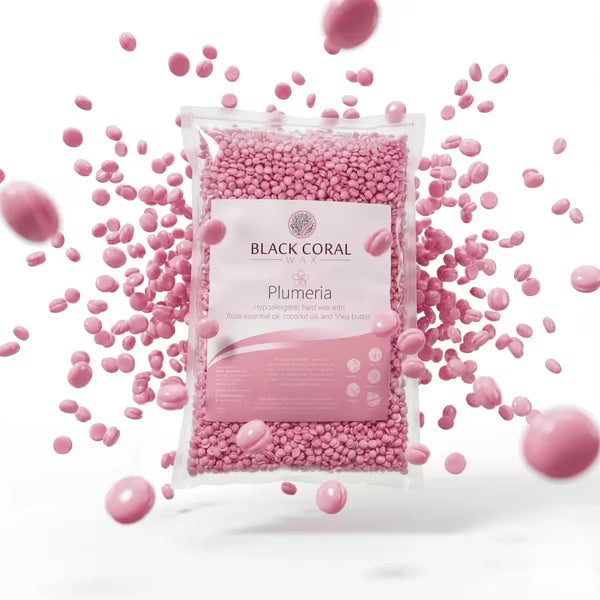
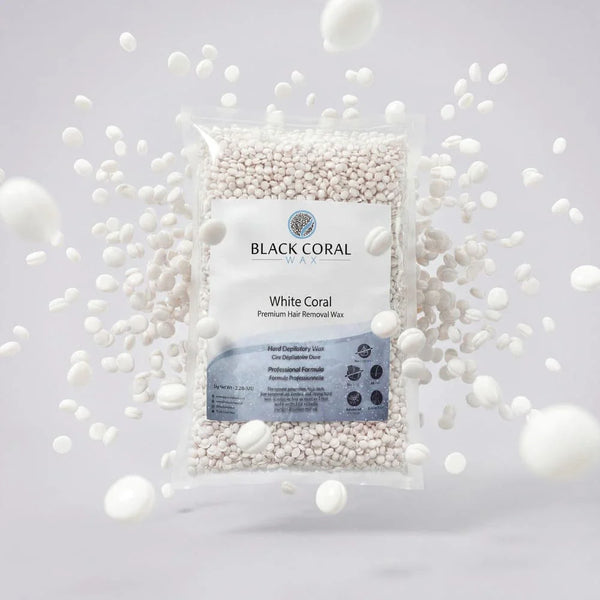
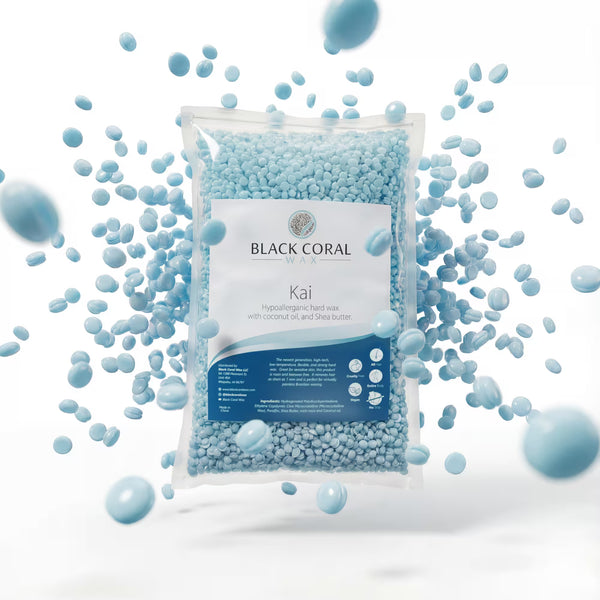
Technique is your first control point. Correct wax temperature, clean sectioning, proper skin support and efficient removal all reduce unnecessary trauma, and so does choosing a wax that genuinely suits the area and the client's skin. A gentle hot wax made for sensitive areas gives you cleaner removal with less stress on the skin.
Client history matters just as much. If someone reacts regularly, note it and adjust the service, with a careful consultation and a patch test where appropriate giving you a safer baseline for future bookings. And if a client is repeatedly prone to this kind of response, it's reasonable to mention that they could ask their GP or pharmacist whether an over-the-counter antihistamine before treatment is suitable for them. You're not prescribing or instructing, simply recognising when a medical conversation might help them manage a recurring pattern.
Frequently Asked Questions
Is a histamine reaction after waxing the same as a wax allergy? No. A histamine response is usually a temporary inflammatory reaction to follicular trauma. A true allergy can present differently, and may be more intense or more widespread.
How long should it last? Mild redness or bumps are generally short-lived and often settle within a day or two with simple, cool aftercare. If it continues beyond that or worsens, the client should seek medical advice.
Will the same client always react this way? Not necessarily. Reactions can vary by body area, the skin's condition on the day, the product used, and how much heat or friction the skin meets afterwards.
Should I recommend a medicated cream? Not casually. If a client wants to use one, point them to a pharmacist or GP, especially on freshly waxed skin.
When is it an emergency? Wheezing, dizziness, facial swelling or any sign of a wider, whole-body response needs medical attention rather than salon aftercare.
Reading Skin Like a Professional
A histamine reaction after waxing isn't a mark against your technique, it's the skin doing what skin does. The professionals who handle it best are simply the ones who recognise the pattern early, cool and calm it without overcomplicating things, explain it clearly, and know exactly where salon aftercare ends and medical advice begins.
At Black Coral Wax, we believe great waxing is about reading skin as carefully as you remove hair. Explore our professional hot waxes, soothing aftercare and training resources built around that standard.
Back to blog. Join our newsletter to become part of the waxing community and receive the latest news and expert knowledge from the world of hair removal.