That part is waxing aftercare, and it matters far more than most people realise. The good news is that it's simple. A little gentle care at the right moments keeps skin happy, prevents ingrown hairs, and makes every result last longer. Whether you're a therapist guiding your clients or someone who loves their waxing routine, this guide covers everything you need to keep skin smooth and bump-free after every session.
Why Aftercare Is Just As Important As the Wax
Right after waxing, the skin is warm, the follicles are open, and the surface is a little more sensitive than usual. It's a short window, but it's the moment when heat, friction, sweat and perfumed products can tip ordinary post-wax redness into real irritation, or let bacteria reach an open follicle and cause bumps.
Good aftercare is simply a way of keeping the skin calm while it settles. Done well, it does four things at once: it stops avoidable irritation, helps prevent ingrown hairs, lowers the risk of little spots and bumps, and protects that smooth, even result you worked for. When clients understand that aftercare protects their result, not just yours, they tend to follow it, and they come back happier.
The First Few Hours After Your Wax
Most aftercare outcomes are decided before the client even gets home, so this is where to focus.
In the treatment room, gently remove any residue and apply a light, soothing post-wax product to settle the skin. Keep it simple and fragrance-free. This isn't the time for anything heavily perfumed or active. A calming oil or lotion, like the soothing products range, helps cool the area and comfort the skin without leaving a heavy film behind.

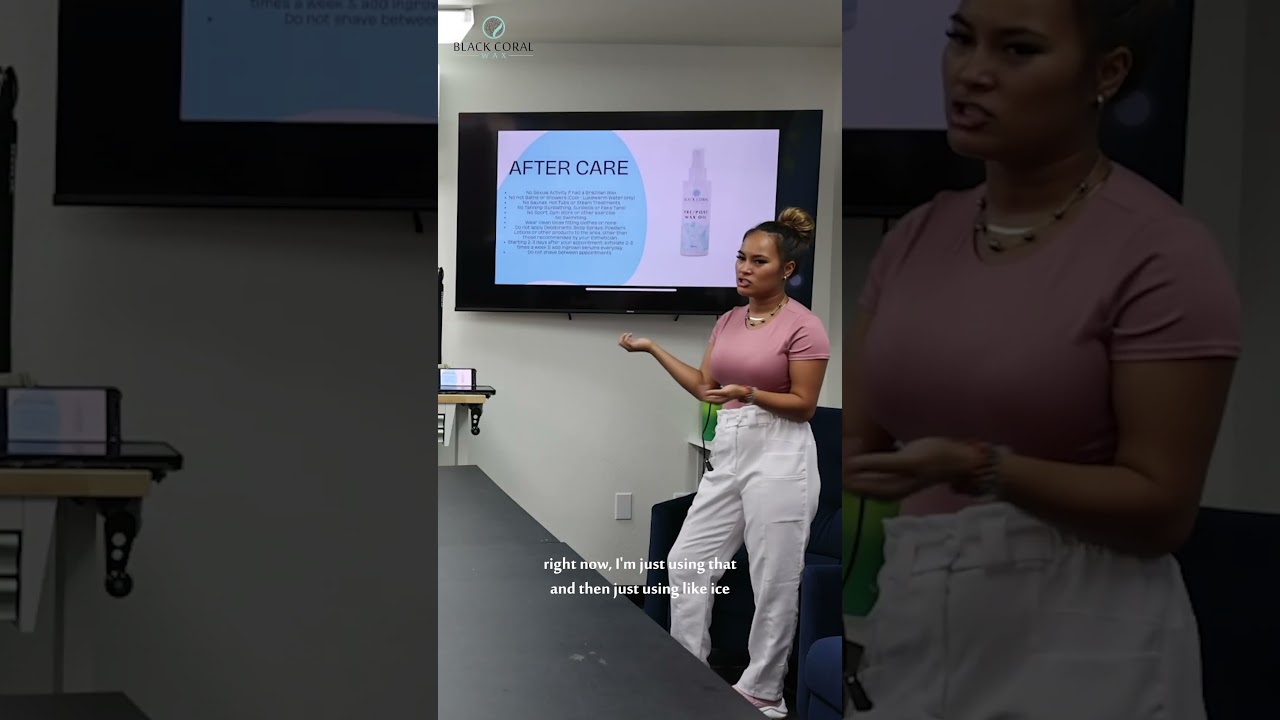
Then send the client off with a short, clear plan for the rest of the day. People remember a sequence far better than a long list, so keep it to a handful of easy rules:
- Keep the area cool. No hot baths, hot showers, saunas, steam rooms or sunbeds for the rest of the day, because heat aggravates freshly waxed skin.
- Wear loose, breathable clothing. Tight jeans or gym wear rub and trap sweat right where you don't want it.
- Skip fragrance on the area. Perfumed lotions, sprays and deodorant can sting and irritate.
- Leave it alone. Scratching, rubbing and checking the area every five minutes only makes things worse.
That handful of habits prevents the vast majority of next-day complaints, and it costs the client nothing but a little patience.
Keeping Skin Smooth and Bump-Free
Bump-free skin is what everyone really wants from good aftercare, and most bumps come from one of two places: ingrown hairs or blocked, irritated follicles.
Ingrown hairs happen when regrowing hair curls back into the skin instead of breaking the surface, which is more common on coarse or curly hair and on areas that get a lot of friction. The answer is gentle, regular exfoliation, but timed correctly. The little pimple-like spots that sometimes appear around the follicles usually come from sweat, touching the area, or tight clothing too soon after waxing, so for those the focus is hygiene and friction, not scrubbing.
Here's the simple timing that keeps skin clear without overdoing it:
- For the first 48 hours, don't exfoliate at all. The skin is settling and the follicles are still open.
- From around day three or four, introduce gentle exfoliation two to three times a week. Think a soft mitt or a mild exfoliant, never harsh scrubbing.
- Keep up light daily moisturising so the skin stays soft and supple, which helps regrowth break through cleanly.
The goal is to lift dead skin away from the follicle, not to scrub the area raw. Gentle and consistent always beats aggressive.
Building a Simple Daily Routine
A routine only works if it's easy enough to stick to, so three steps will do far more than a ten-product ritual that gets abandoned by Thursday.
Cleanse gently with a mild, fragrance-free wash that keeps the area clean without stripping it. Hydrate every day with a light, fragrance-free moisturiser to keep the barrier soft and supported, this is the step people skip most and miss the most. Then exfoliate gently from day three or four, a few times a week, to keep regrowth clear and prevent the bumps everyone dreads.
Around those three steps, the lifestyle basics more or less take care of themselves: loose clothing while the skin settles, no rushing straight to the gym, and a bit of patience instead of constantly touching the area. The message to land with every client is consistency over intensity. A little gentle care, often, protects skin far better than one harsh scrub the night before the next appointment.
Adjusting Aftercare for the Seasons
Skin doesn't behave the same all year round, and in the UK the seasons make a real difference to how waxed skin recovers.
In summer, heat and sweat are the main challenges. Warm weather, sticky days and bare skin in the sun all add up, so summer aftercare means looser clothing, a cool journey home, no immediate sunbathing, and a little SPF on exposed areas once the skin has settled. In winter, the problem flips. Cold winds, dry indoor heating and hot showers leave skin tight and flaky, which makes ingrown hairs and rough regrowth more likely. Winter aftercare leans harder on hydration, with a nourishing moisturiser or a soothing oil to keep skin comfortable and supple.
Sharing this kind of seasonal advice is one of the simplest ways to show clients you genuinely care. People notice when a salon adapts its guidance to the time of year, and that small touch builds trust and keeps them coming back.
Troubleshooting Common Post-Wax Reactions
Even with great care, skin can occasionally react, and knowing what's normal makes all the difference.
A little redness is completely expected. The skin usually looks pink and warm straight after waxing, especially on first-time clients or denser hair, and it should be fairly even and settle within a few hours. The best response is to cool the area, avoid layering more products, and simply leave it to calm down.
More unsettled, blotchy or stinging skin usually points to irritation, often from friction, perfumed products or too much waxing over one patch. Cool compresses, a fragrance-free soother and a pause on scrubs and heat will settle it. Small pimple-like spots around the follicles are usually down to sweat, touching or tight clothing afterwards, so gentle cleansing and looser clothing help most. And occasionally reactive or first-time skin throws up hive-like welts that look dramatic but settle quickly, where the answer is to stay calm, cool the area and keep aftercare minimal.
Here's a quick way to read the most common bumps:
| What you see |
Likely cause |
What helps |
| Even pinkness, fades fast |
Normal post-wax response |
Cool it, leave it alone |
| Blotchy, stinging redness |
Friction or product irritation |
Cool compress, fragrance-free soother, no heat |
| Small spots around follicles |
Sweat, touching, tight clothing |
Gentle cleansing, loose clothing |
| Single bumps with trapped hair |
Ingrown hairs |
Gentle exfoliation once settled, never pick |
If a client keeps getting the same reaction, that's a sign to adjust, whether it's their routine, their clothing, or the pace and products you use.
Looking After Skin Between Sessions
Aftercare isn't only the 48 hours after the wax. The four to six weeks before the next appointment are just as important. Steady moisturising, gentle exfoliation a few times a week, and letting hair grow rather than shaving in between all mean the skin arrives softer and clearer, regrowth releases more easily, and the next result lasts longer. Clients whose skin looks and feels good between visits naturally associate that with your work, and they rebook without a second thought.
Frequently Asked Questions
How long does redness last after waxing? Usually a few hours, sometimes up to a day on sensitive areas. It should be even and fade steadily. Redness that worsens or stings beyond a day is worth a closer look.
When can I exfoliate after waxing? Not for the first 48 hours. From around day three or four, gentle exfoliation two to three times a week helps prevent ingrown hairs.
Can I shower after a wax? A cool or lukewarm shower is fine. Save hot showers, baths, saunas and steam for at least 24 hours, since heat aggravates freshly waxed skin.
What's the biggest aftercare mistake? Heat and friction straight after the appointment. Tight clothing, a hot shower or a gym session can undo an otherwise perfect wax in one evening.
How do I stop ingrown hairs? Gentle, regular exfoliation once the skin has settled, daily moisturising, and avoiding tight clothing that traps regrowth.
When should I pause my usual body products? Any time the area looks freshly waxed or sensitive. Fragranced and active products are common irritants while the skin is settling, so keep things simple for a day or two.
Smooth Skin Starts With the Right Care
Great waxing aftercare really comes down to a few gentle habits at the right moments: keep it cool, keep it clean, hydrate, exfoliate gently once it's settled, and adjust with the seasons. Do that, and smooth, bump-free skin stops being luck and becomes the result you can expect every single time.
At Black Coral Wax, we believe waxing should be smooth, gentle and something you actually look forward to, from the first application to the last step of aftercare. Explore our professional waxes and soothing pre and post-care range to give every client the calm, comfortable finish they deserve.
Back to blog. Join our newsletter to become part of the waxing community and receive the latest news and expert knowledge from the world of hair removal.